Deck the Halls Christmas SVG Review for Real Projects
As an embroidery designer with years of experience in creating and reviewing digital embroidery files, I always look for designs that not only capture holiday cheer but also translate well into tangible products. The Deck the Halls Christmas SVG is a design I recently tested on a few real-world embroidery projects, including custom sweatshirts and tote bags. Here’s my honest take based on what matters most to crafters, Etsy sellers, and small shop owners who need reliable design assets for their handmade goods.
A Festive First Impression
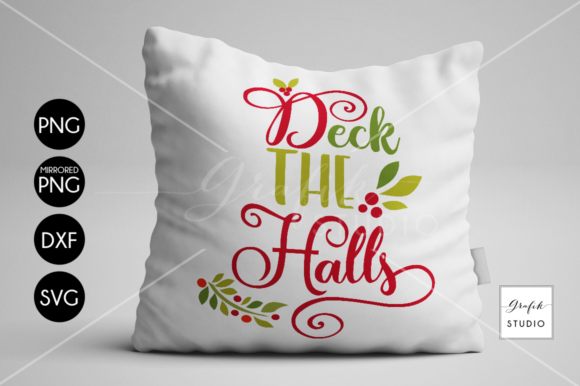
The first thing that stands out about this machine embroidery design is its cheerful and classic layout. Featuring traditional holiday elements like holly, berries, and a festive bell — all wrapped up in the iconic “Deck the Halls” motif — it evokes a warm, nostalgic feel. The shape is nicely balanced, making it versatile enough to work on both large and medium-sized surfaces. While the design doesn’t have overly intricate details, it manages to maintain visual interest through thoughtful spacing and repetition of familiar symbols.
What I appreciate is how the design feels intentionally crafted for crafts and graphics. It has a clean, crisp edge when rendered digitally, which suggests good performance in satin stitch areas. The mirrored PNG version included in the package is particularly handy for applique work or when preparing mockups for online sales.
Visual Personality and Project Fit
This SVG design has a strong visual personality that leans into the traditional side of holiday decor. It’s not overly modern or minimalist, which makes it ideal for sweatshirt embroidery, custom apparel, or nursery decor where a more timeless aesthetic is desired. I found it especially suitable for tote bag design or holiday gifts because it can be scaled without losing clarity and fits well within a larger composition of text or other graphics.
For those working in a craft business or selling handmade products on platforms like Etsy, this design brings a level of professionalism that customers expect during the holidays. It’s recognizable yet unique enough to stand out in a sea of similar offerings.
Real-Life Embroidery Performance
I stitched this design onto a cotton-polyester blend sweatshirt using standard thread colors. The result was impressive: the holly and bell had clear outlines and filled in smoothly without any distortion. On darker fabric, I recommend adjusting the thread color contrast to ensure visibility — maybe a red or green on black could still pop if you choose the right shades.
In terms of stitch types, the design uses a combination of fill stitch and running stitch, which is great for efficiency. The stitch density isn’t too tight, so it won’t strain your machine or cause puckering on delicate fabrics. That said, if you're using it on something like a pillow cover or tea towel, consider increasing the tension slightly for better definition.
Where This Design Shines
- Custom Apparel: The design looks fantastic on hoodies, long-sleeve shirts, and even denim jackets. Its bold shapes make it easy to see at a glance, which is perfect for holiday-themed personalized gifts.
- Handmade Products: For embroidered patches, aprons, or baby clothes, this design adds a touch of charm without overwhelming the piece. I used it on a pair of custom baby onesies, and the feedback from parents was overwhelmingly positive — they loved the subtle yet festive vibe.
- Digital Product Previews: As someone who creates printable mockups, the included PNGs are a big plus. They allow you to showcase the design accurately on product images, helping buyers visualize how it will look on their chosen item.
- Etsy Listings and Boutique Branding: The design blends well with both casual and upscale branding. Whether you’re adding it to a cozy sweater for your small shop product line or embedding it into a design asset for a seasonal collection, it elevates the overall presentation.
When to Use with Caution
While the Deck the Halls Christmas SVG is solid, there are a few scenarios where it might require extra attention:
- Small Hoop Sizes: If you plan to use this in a smaller hoop (under 5 inches), some of the outer elements may get cut off unless you adjust the placement carefully.
- Textured Fabrics: On materials like flannel or corduroy, the fill stitches might not lay as flat. You’ll need to test them on a scrap piece first to avoid uneven results.
- Stretchy or Thin Fabric: These can cause distortion in the stitch lines, especially around the curved parts of the bell or holly leaves. A good stabilizer and proper hoop pressure are essential here.
- Curved Surfaces: When applying the design to a cap or hat, the curvature of the surface can warp the shape. It’s best to break the design into segments or use a curved surface hoop to maintain accuracy.
- Products Requiring Frequent Washing: The design includes some fine lines and dense stitching areas that could potentially loosen over time. Reinforcing with backing stabilizer or using heavier-weight thread may help preserve its quality.
Design Notes for Practical Application
Here are a few tips I picked up while working with this file:
- Always test the design on scrap fabric before committing to a final project. Especially important for commercial embroidery or high-volume production runs.
- Review the stitch density settings for your specific machine. Some models handle tighter fills better than others.
- Confirm the recommended hoop size if provided by the seller. If not, start with a 6-inch hoop and adjust as needed.
- Inspect the tiny lettering and decorative accents. They may need tweaking depending on the scale you choose.
- Use black and white mockups to evaluate how the design translates visually across different fabric colors.
- Check whether the design works for both personal and commercial use. If you’re planning to sell finished items or digital files, confirm the licensing terms beforehand.
Customer Reaction and Marketability
After completing a few samples — including a custom embroidered tote and a Christmas-themed pillow cover — I put them up for sale on my site and at a local craft fair. The response was encouraging. Buyers appreciated the design’s simplicity and familiarity; it felt like a safe, attractive choice for holiday gifting. I noticed it performed best on neutral-toned garments, where the bright red and green threads stood out beautifully.
For handmade shop owners and creative entrepreneurs, this design adds value to your product lineup. It’s versatile enough to fit multiple niches, from kids’ wear to home décor, and professional enough to build customer trust. People buy holiday items for themselves and others, and this design clearly communicates the spirit of the season without being garish or overdone.
Brand Consistency and Recognition
If you're building a brand around seasonal or holiday products, the Deck the Halls Christmas SVG offers a consistent look that can be reused across various items. I’ve embedded it into a series of digital embroidery files for an upcoming winter collection and found it easy to match with complementary fonts and patterns. It helps establish a cohesive theme without requiring much additional effort.
One thing to note is that the design lacks tiny text or complex typography, which makes it less suited for name-based personalization. But as a standalone graphic, it’s excellent for holiday embroidery and giftable items that don’t rely on customization beyond color choices.
Final Thoughts for the Craft Community
The Deck the Halls Christmas SVG is a well-balanced, versatile design that brings a touch of tradition to modern embroidery projects. It’s not flashy, but it does exactly what it should: create a warm, inviting visual that customers associate with the holidays. Whether you’re an embroidery designer, apparel decorator, or just a hobbyist looking to add a festive touch to your creations, this design is worth considering for your next batch of Graphics and Crafts projects.
Remember, though — no matter how appealing a design looks on screen, the real test is how it performs after stitching. Always do your due diligence by checking file formats, testing on different materials, and confirming licensing rights if you intend to sell the finished goods. With these steps in place, you’ll be able to confidently include this design in your portfolio and deliver finished products that delight your customers and reflect your brand’s quality.